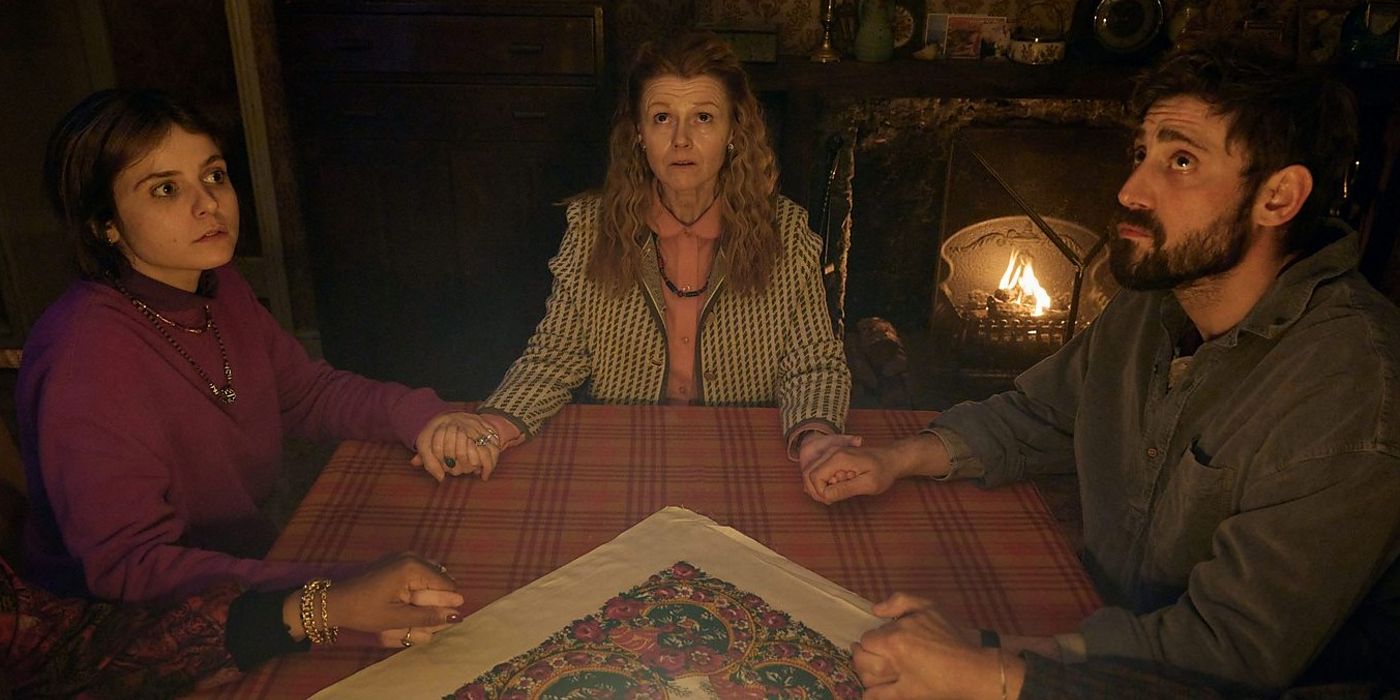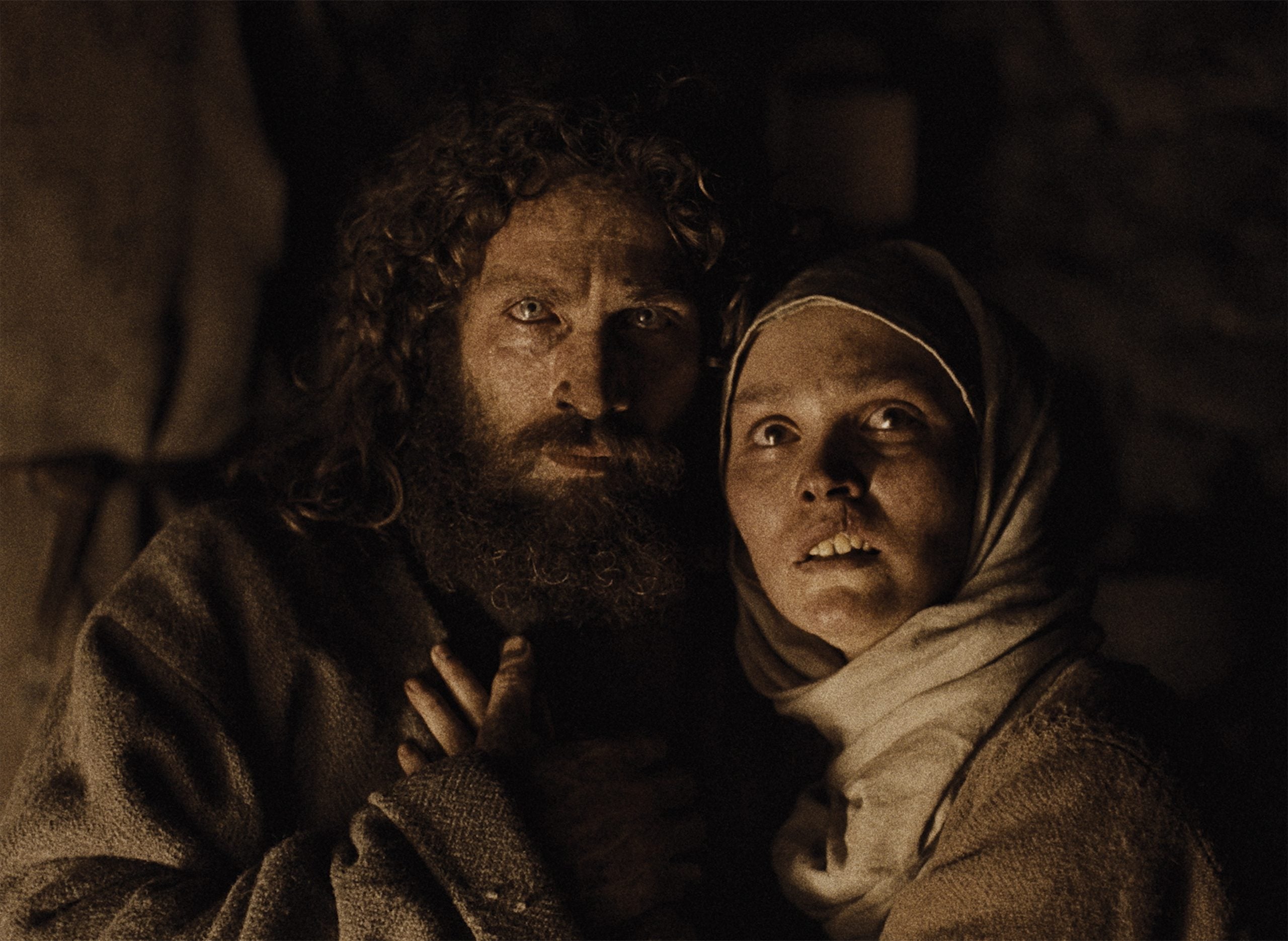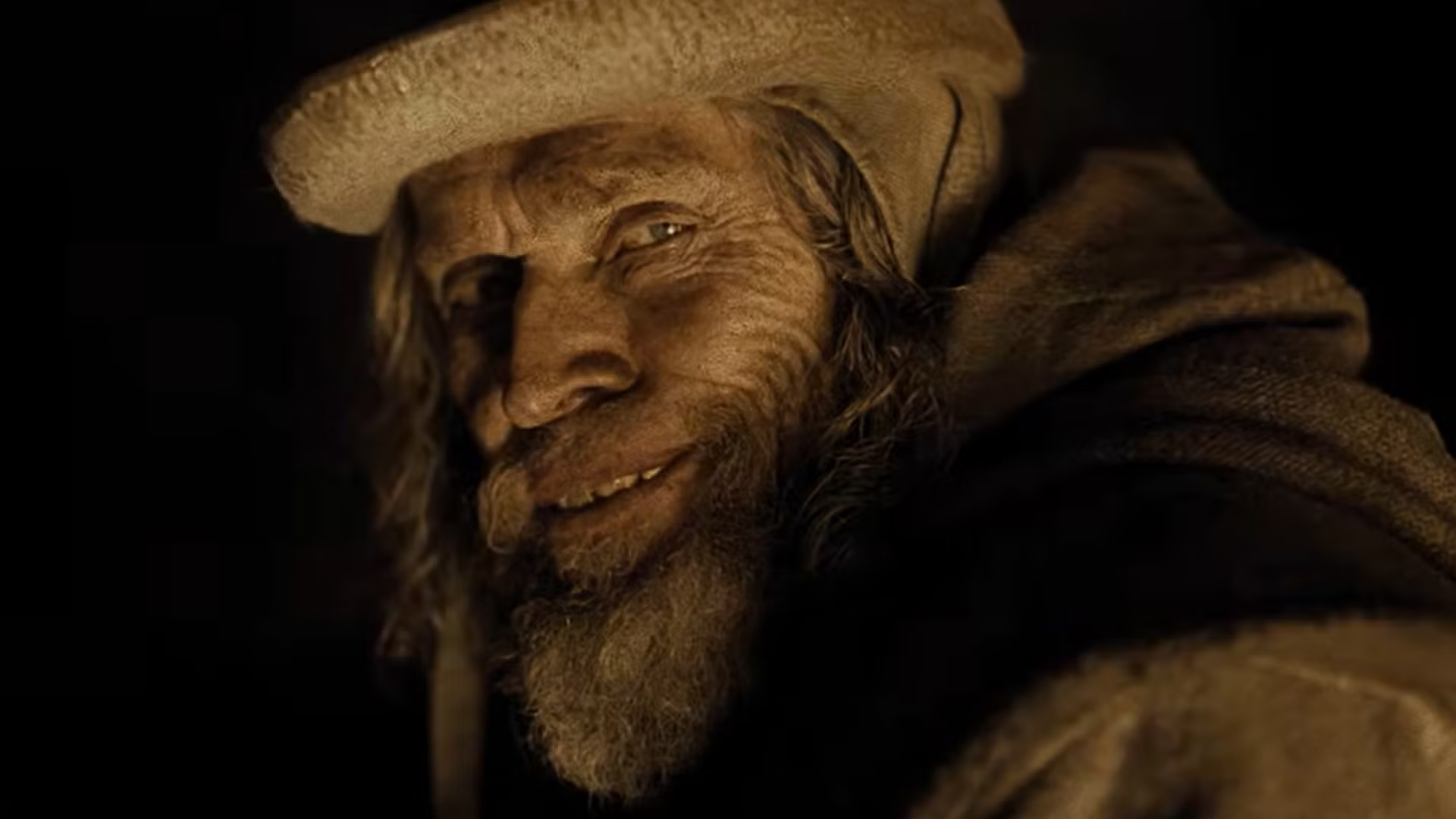

Horror Obsessive contributor Mariana Enríquez writes that Things We Lost in the Fire draws on Argentina’s history and social conditions to build its horror. Enríquez, who is Argentinian, says reading the collection helped her recognize parallels with Mexico, including political oppression, poverty, class disparities, organized crime and folk Catholicism. She says she reread the book for the fifth time while preparing a close-reading course for students.
The essay connects several stories to Argentina’s 1976 to 1983 dictatorship, which it describes as backed by the CIA and marked by clandestine torture centers, disappearances and the kidnapping of children. In “The Inn,” teenagers encounter military ghosts at a tourist lodge that had been a clandestine detention center. “Adela’s House” uses a haunted house as an allegory for the disappeared, while “Under the Black Water” depicts poverty, state neglect and a community’s own religious practices.
Enríquez also discusses folk Catholicism as a feature of everyday life in both Argentina and Mexico. She describes it as a practice shaped by people on the margins, blending Catholic teachings with Indigenous practices and devotion to folk saints. One example is San la Muerte, described as male in Argentina and female in Mexico; followers pray the rosary to folk saints and hold masses for them.
- Author: Mariana Enríquez
- Book: Things We Lost in the Fire
Join 12AM
Get new posts by email, and choose the topics you want.
Get in Touch
Send a message about screenings or press.